Blog

  • Factory Wastewater Laws Every Operator Must Know — Before the Fines Are Real!

    Factory Wastewater Laws Every Operator Must Know — Before the Fines Are Real!

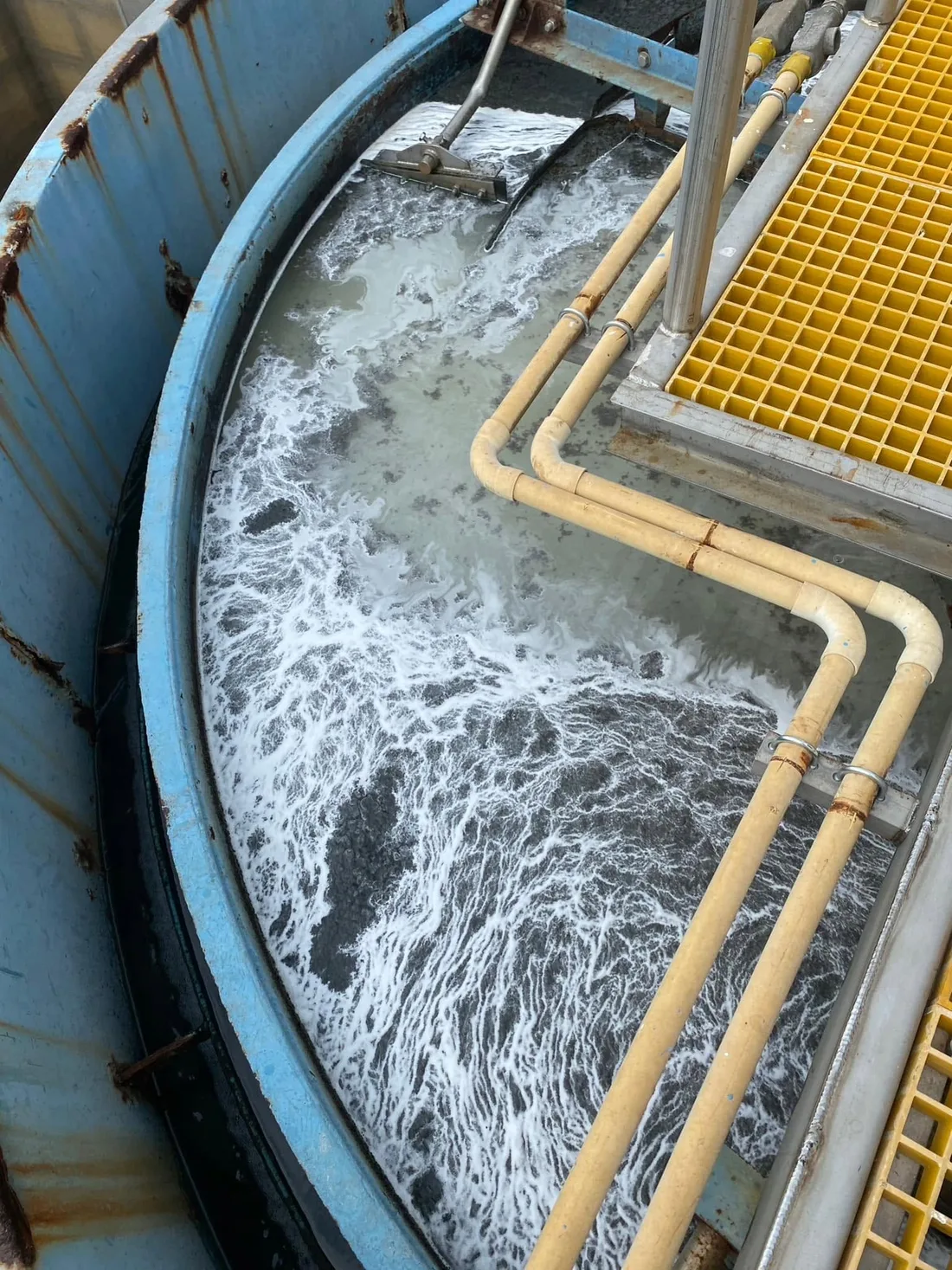
    Thailand’s factory wastewater laws require every factory that discharges effluent into public waterways to treat its wastewater to the standards set by the Department of Industrial Works and the Pollution Control Department. Violations carry penalties of up to 5 years’ imprisonment, a fine of up to 500,000 baht, or both.

    This article walks you through the relevant laws, the effluent standards you must meet, the penalties every factory should know, and how to set up a wastewater treatment system that fully complies with legal requirements.

    What Are Thailand’s Factory Wastewater Laws?

    Factory wastewater regulation is built on 3 main laws that work together to control wastewater discharge — covering permit conditions, effluent quality control, and pollution limits that must not be exceeded. Here are the laws you need to know:

    1. Factory Act B.E. 2535 (amended 2562)

    This is the principal law for all factory types. It requires Category 2 and Category 3 factories to install a wastewater treatment system and report results to the Department of Industrial Works (DIW) every 6 months. It also requires a certified water pollution treatment supervisor, trained and registered with the DIW. Large factories generating more than 500 cubic metres of wastewater per day must install a Continuous Emission Monitoring System (CEMS) and send real-time data to government agencies.

    2. Effluent Standards under the Ministry of Industry Notification

    The Ministry of Industry Notification on contaminant limits in factory effluent sets the key parameters that must be met before discharge:

    • pH between 5.5 and 9.0
    • BOD (Biochemical Oxygen Demand) not exceeding 20 mg/L
    • COD (Chemical Oxygen Demand) not exceeding 120 mg/L
    • SS (Suspended Solids) not exceeding 50 mg/L
    • TDS (Total Dissolved Solids) not exceeding 3,000 mg/L
    • Oil and grease not exceeding 5 mg/L
    • Colour measured by ADMI not exceeding 300 — some factory types, such as metal plating plants, must also pass additional heavy-metal limits

    Key point: BOD and COD are the two indicators the DIW checks most often. Factories with highly concentrated wastewater — food plants, dye houses, or plating plants — need a treatment system robust enough to handle these values.

    3. Environmental Act B.E. 2535

    This law empowers the Pollution Control Department (PCD) to declare pollution control zones in problem areas, which may subject factories in those zones to stricter standards than usual. It also allows the public to sue factories for damages caused by wastewater discharge.

    Penalties Every Factory Should Know

    Penalties under the Factory Act scale with the severity of the violation. A factory that fails effluent standards may face:

    • Warning stage: officials issue a warning notice with a correction deadline, usually 30-90 days
    • Administrative fines: up to 200,000 baht per day until the issue is corrected
    • Criminal stage: imprisonment of up to 2 years, a fine of up to 200,000 baht, or both, for discharging wastewater above the standards
    • Maximum stage: if the wastewater causes serious harm to the public or the environment, penalties reach 5 years’ imprisonment and a 500,000 baht fine

    What Must a Factory Have Under the Law?

    Under factory and environmental law, a factory must have several key components in place to operate correctly and meet the standards. The main ones are:

    1. A Properly Designed Wastewater Treatment System

    The factory must provide a treatment system designed for peak wastewater load — not the average — together with engineering drawings and calculations for permit applications to the relevant authorities.

    The technology must suit each industry’s wastewater characteristics, for example:

    • Food factories with high BOD typically use biological treatment
    • Metal plating factories need chemical treatment for heavy-metal removal and precipitation

    2. A Certified Water Pollution Treatment Supervisor

    Category 3 factories must appoint a water pollution treatment supervisor who has completed a DIW-certified training course and is properly registered. Their main duties are:

    • Operating and inspecting the treatment system
    • Recording and reporting system performance against the required criteria

    3. Effluent Analysis Reporting

    The factory must sample its effluent for regular analysis — generally at least every 6 months — and submit reports to the regulator on schedule.

    The laboratory used must be ISO/IEC 17025 accredited so the results are credible and legally admissible.

    Caution: Using a non-accredited lab to analyse your effluent means the results have no legal standing — the DIW will treat the factory as having failed to report.

    How to Manage Wastewater and Stay Compliant

    From Hydrosys’s 30+ years of experience designing wastewater treatment systems for more than 150 factory projects, the failures that put factories out of compliance usually come down to 3 root causes:

    1. The treatment system doesn’t match the actual wastewater characteristics
    2. The system is damaged but not repaired in time
    3. Hydraulic load exceeds the system’s capacity during peak production

    Solving the problem properly always starts with analysing the factory’s actual wastewater, then designing the system around the real load and composition of each industry’s effluent.

    A one-size-fits-all packaged system should be avoided — each industry’s wastewater differs in composition and complexity, which directly affects long-term treatment performance.

    Tips: If your factory is expanding production, don’t forget to assess whether the existing treatment system can handle the additional wastewater. Treatment capacity should be expanded alongside the production line.

    Summary

    Thailand’s factory wastewater laws clearly define the standards to meet, the reporting requirements, and the penalties. Factories that invest in an effective treatment system from the start save significantly in the long run — on fines, on maintenance, and on the risk of suspension or closure.

    If you’re not sure whether your current treatment system can meet the legal standards, having a specialist inspect and assess it first is the most cost-effective way to reduce your risk.

    FAQ

    Q1: Do small factories need a wastewater treatment system?

    A: Yes — if they fall under Category 2 or 3 of the Factory Act. The system size depends on the actual volume and characteristics of the wastewater generated.

    Q2: How often must effluent results be reported?

    A: Every 6 months. Large factories or those in special control zones may need to report every 3 months or send real-time data via a CEMS.

    Q3: If our effluent fails the standards, what should we do first?

    A: Notify the DIW immediately with a clear corrective plan. Self-reporting before being caught is usually considered grounds for reduced penalties.

    Q4: Is ZLD (Zero Liquid Discharge) legally required?

    A: Not as a general standard yet. However, some factories in special control zones or industrial estates that prohibit public discharge may be required to implement ZLD.

    Q5: How often does the DIW inspect factories?

    A: Around 1-2 times a year, with no fixed schedule. The DIW may inspect unannounced when complaints are received.

    If you’re adding production lines and worried your existing treatment system won’t keep up, Hydrosys engineers are ready to help — including free on-site surveys and system designs tailored to each factory’s wastewater.

    Learn more about our services at General Wastewater Treatment Systems

    ☎️ Tel: 02-889-6180, 089-479-8156

    🟢 Line: @hydrosys

    📬 Email: info@hydrosys.co.th, hydrosys@hydrosys.co.th

    📘 Facebook:Hydrosys
  • What Is Wastewater Sludge? Types and the Most Cost-Effective Ways to Manage It

    What Is Wastewater Sludge? Types and the Most Cost-Effective Ways to Manage It

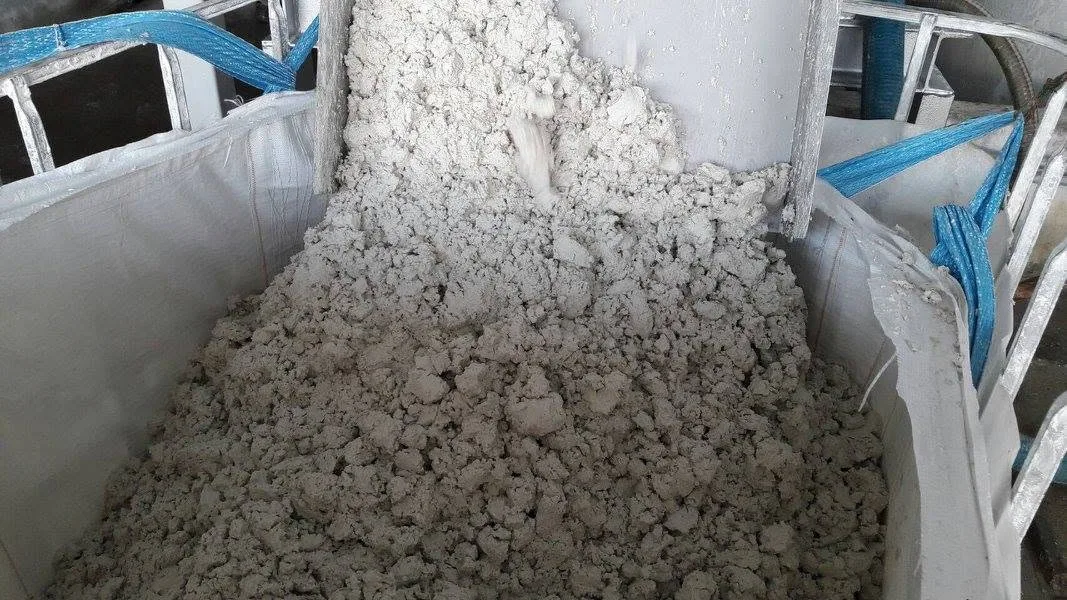
    Wastewater sludge is the solid residue separated from water during the treatment process. It consists of dead microorganisms, organic matter, and residual chemicals. A mid-sized factory can generate as much as 5-20 tonnes of sludge per month — a very heavy disposal cost without good management.

    This article covers the types of wastewater sludge, how each type should be handled, and the sludge management technologies that reduce volume, moisture, and long-term disposal costs effectively.

    How Many Types of Wastewater Sludge Are There?

    Wastewater sludge divides into 2 main types by origin, each with different characteristics and handling requirements. Treating them as the same thing can lead to the wrong treatment system and reduced performance. The types are:

    1. Biological Sludge

    Biological sludge comes from the microorganisms used to break down organic matter in wastewater. As they grow and die, they accumulate into a brown or black sludge with a distinctive odour. This sludge is extremely wet — typically 97-99% moisture — making it heavy while containing little actual solids. Food factories, beverage plants, and municipal treatment plants deal mainly with this type.

    2. Chemical Sludge

    Chemical sludge forms when chemicals such as lime, alum, or polymers are added to precipitate contaminants out of the water. It is usually denser than biological sludge, lower in moisture, and easier to dewater. Metal plating, paint, and electronics factories mainly produce chemical sludge — some of which is classified as hazardous waste requiring special disposal.

    Key point: Sludge contaminated with heavy metals — such as from plating plants — is classified as Hazardous Waste and must be sent to a licensed disposal company only. Landfilling or dumping it yourself is strictly prohibited.

    The Sludge Disposal Costs Factories Tend to Overlook

    Sludge disposal is an expense many factories partly overlook. A mid-sized factory handling around 100–200 cubic metres of wastewater per day can spend roughly 100,000–300,000 baht per month on sludge haulage — or more if the sludge is wet and heavy.

    However, investing in an efficient sludge press or dewatering machine can cut sludge volume by about 5–10 times, reducing haulage and disposal costs by a similar proportion. Payback for this type of machinery is typically around 12–36 months, depending on sludge volume and each factory’s disposal rates.

    What Sludge Management Technologies Are Available?

    Sludge management technology comes in several tiers. The choice should match your sludge characteristics and goals — not just the machine price, because the wrong machine delivers underwhelming performance. Commonly used technologies include:

    1. Filter Press

    The Filter Press is the most widely used technology for chemical sludge and high-density sludge. It presses sludge through filter plates at high pressure, forcing the water out until the sludge becomes dry cake at just 60-75% moisture.

    2. Screw Press

    The Screw Press suits biological sludge and very wet sludge. It runs continuously 24 hours a day with minimal labour. The output cake is around 75–85% moisture — slightly wetter than a Filter Press — but it’s ideal for factories that want an automated system without constant supervision.

    3. Sludge Dryer

    The sludge dryer is the final step, cutting sludge weight by another 5 times after pressing. Dried sludge holds only 10-30% moisture, becoming a light, easily transported powder or pellet. Some types can even be turned into fertiliser or animal feed.

    Tips: Factories producing 1-5 tonnes of sludge per day should consider pairing a Filter Press with a Sludge Dryer — together they cut sludge weight by 15-20 times, with payback in under 2 years for factories with high disposal costs.

    Summary

    Wastewater sludge is the waste product of factory wastewater treatment, coming in both biological and chemical forms with clearly different properties and handling needs. Choosing the wrong system reduces treatment performance and needlessly inflates disposal costs.

    Effective sludge management starts with understanding your sludge type, then pairing it with the right technology — a filter press, screw press, or sludge dryer — to reduce volume, moisture, and long-term costs.

    With the right system designed from the start, factories can cut disposal costs, run more efficiently, and earn back their machinery investment over the long run.

    FAQ

    Q1: Is all wastewater sludge hazardous?

    A: Not all. Biological sludge from typical treatment systems usually isn’t classified as hazardous waste, but sludge containing heavy metals, toxins, or from chemical factories requires special handling.

    Q2: What’s the difference between a Filter Press and a Screw Press?

    A: A Filter Press works in batches and produces drier cake — best for chemical sludge. A Screw Press runs continuously with minimal labour — best for biological sludge and factories wanting automation.

    Q3: What can dried sludge be used for?

    A: It can be made into organic fertiliser or animal feed, provided it’s toxin-free biological sludge.

    Q4: How often must a factory dispose of sludge?

    A: Weekly or monthly, depending on sludge output and storage capacity. High volumes or limited storage may require more frequent disposal to prevent build-up, odour, and system overflow.

    Q5: Is a sludge dryer necessary?

    A: Not for every factory. It suits those that want further weight reduction after pressing or still face high disposal costs — drying removes much more moisture, clearly cutting long-term transport and disposal costs.

    To find the right sludge-handling equipment for your factory, Hydrosys engineers offer end-to-end consultation and system design matched to your sludge characteristics.

    Learn more about our services at Filter Presses and Sludge Dryers for Industrial Plants

    ☎️ Tel: 02-889-6180, 089-479-8156

    🟢 Line: @hydrosys

    📬 Email: info@hydrosys.co.th, hydrosys@hydrosys.co.th

    📘 Facebook:Hydrosys
  • Water Recycling in Factories: How It Cuts Water Costs and Where to Start

    Water Recycling in Factories: How It Cuts Water Costs and Where to Start

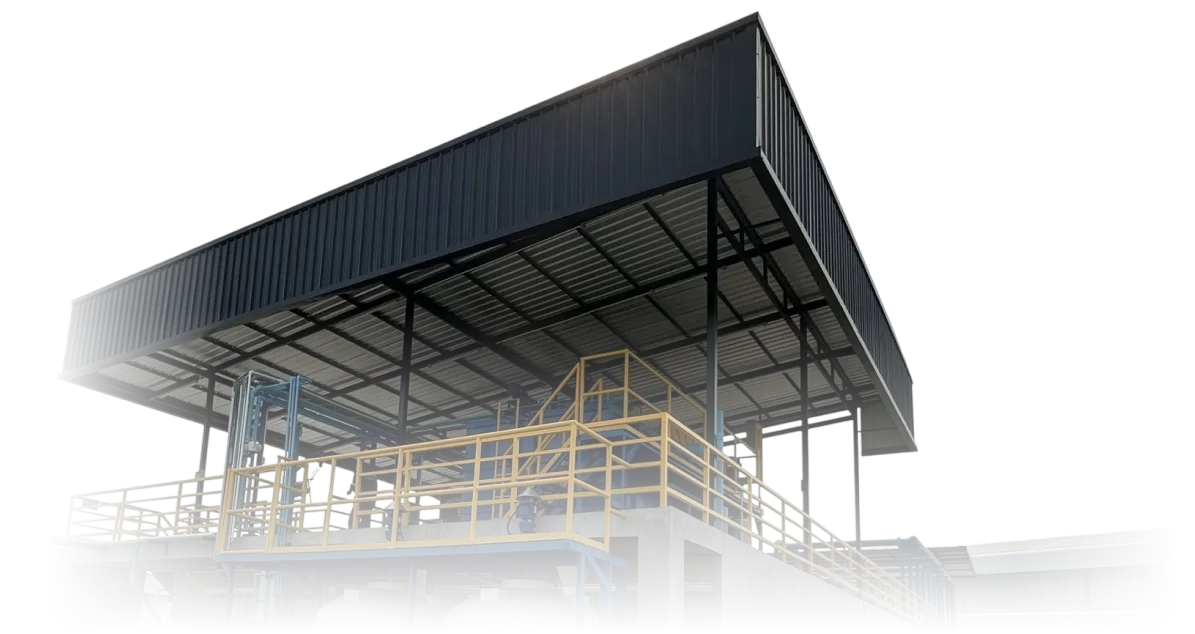
    Water recycling cuts factory costs by reducing fresh water consumption and effluent treatment expenses — reusing treated water for tasks that don’t require high-grade water, such as washing or cooling systems.

    This article explains factory water recycling from wastewater treatment through to reuse, with guidance on choosing technologies and designing a system that cuts costs and improves water efficiency.

    What Is Water Recycling in a Factory?

    Water recycling in industry means taking water from production or treatment and reusing it in suitable processes — without necessarily treating it to drinking-water standard in every case. In-plant uses span many quality levels: floor washing, cooling, or processes that don’t demand high-purity water.

    Key point: Recycled water doesn’t always need to be as clean as tap water. Treating it just enough for its actual use saves treatment costs while still putting the water back to work.

    Why Is Water Recycling Becoming More Important?

    Both cost and regulation are pushing factories toward water recycling. Industrial-estate water tariffs rise every year, and factories using tens of thousands of cubic metres per month carry water bills of tens of millions of baht a year.

    At the same time, many industrial estates are introducing water quotas and stricter discharge conditions. Factories still discharging large volumes may face restrictions on expanding production capacity. Water recycling is therefore not just a cost saver — it gives factories the flexibility to grow in the future.

    What Water Recycling Technologies Do Factories Use?

    Factory water recycling is usually a hybrid system, designed around the wastewater type, pollutant load, and the water quality required for reuse. It breaks down into 5 main groups:

    1. Primary Treatment

    Primary treatment is the first line of wastewater management. It removes large contaminants — debris, sediment, and grease — to prevent clogging or overloading downstream treatment. It typically consists of:

    • Screening
    • Grease Trap
    • Sedimentation Tank
    • DAF systems that separate grease and suspended solids from the water

    Its strength is removing gross contamination up front, letting the main treatment stage run more stably and efficiently.

    2. Biological Treatment

    This is the core of factory wastewater treatment, using microorganisms to break down organic contaminants — food scraps, organic matter, and production waste. Popular technologies include:

    • Activated Sludge
    • MBBR
    • SBR
    • MBR

    Each differs in installation footprint, load capacity, and output water quality.

    Its strength is efficiently reducing BOD and COD, improving water quality before advanced filtration.

    3. Advanced Filtration / Tertiary Treatment

    After biological treatment, the water still carries fine contaminants and some dissolved substances. Advanced filtration polishes the water further using technologies such as:

    • Sand Filter
    • Activated Carbon
    • Ultrafiltration (UF)
    • Nanofiltration (NF)
    • Reverse Osmosis (RO)

    This stage produces very clear, clean water — in some cases good enough to feed directly back into production.

    4. Advanced Oxidation Process (AOP)

    For wastewater with complex chemicals, colour, odour, or hard-to-degrade substances, AOP destroys their structure directly. Popular technologies include:

    • Ozone (O₃)
    • UV combined with Hydrogen Peroxide
    • The Fenton process, which reacts iron with hydrogen peroxide to generate free radicals that break down toxins

    Its strength is handling contaminants biological systems can’t remove, improving water quality ahead of recycling.

    5. Water Reuse System

    The final step of water recycling returns fully treated water to the factory — for cooling systems, equipment washing, floor cleaning, or parts of the production process.

    Some factories add reuse storage tanks and extra disinfection such as UV or chlorine to ensure the water is safe before actual use.

    Its strength is cutting raw-water consumption, reducing costs, and making the factory more sustainable long term.

    How to Plan Water Recycling for a Solid Return

    An effective water recycling plan starts from real wastewater data — not from picking a technology and adjusting later. The key steps are analysing wastewater quality, setting a reuse target, and evaluating ROI before committing to installation.

    Hydrosys puts weight on the front end of this process: sampling your wastewater and analysing it in the laboratory to understand it precisely, then designing the right system — with calculations of how much water can realistically be reclaimed, plus annual power and operating cost estimates.

    This approach lets customers invest based on real data, avoids over-engineering, and makes the water recycling system genuinely cost-effective and workable long term.

    Summary

    Factory water recycling is a key strategy for reducing fresh water use, cutting costs, and managing wastewater systematically. It combines technologies from primary treatment and biological systems through advanced filtration to water reuse, matched to each production process. Good design lets a factory get maximum, sustainable value from its water.

    FAQ

    Q1: Can recycled water go straight back into production?

    A: It depends on the use. For floor washing or cooling, MBR or DAF may be enough. For production processes requiring purified water, additional RO treatment is needed.

    Q2: What’s the typical payback period for a water recycling system?

    A: Around 2-5 years, depending on daily water use, the water costs saved, and system size. Factories with high water use and expensive water pay back faster.

    Q3: How do Water Recycling and ZLD differ?

    A: Water recycling reuses part of the water — some effluent is still discharged, but much less. ZLD treats until no effluent is discharged at all, suited to areas where discharge is prohibited.

    Q4: Does factory water recycling require every system?

    A: No. A factory can use only the systems that fit its wastewater quality and reuse level, avoiding unnecessary cost.

    Q5: Can small factories do water recycling?

    A: Yes — with a system designed appropriately and compactly for the wastewater volume.

    If you’re interested in a Water Recycling System, Hydrosys offers consultation and wastewater analysis to design the most suitable, efficient system for your factory.

    For those concerned about the investment, we offer a BOT model that gives your factory recycled water without owning or operating the system — you pay only for the water you use, at rates cheaper than tap water.

    ☎️ Tel: 02-889-6180, 089-479-8156

    🟢 Line: @hydrosys

    📬 Email: info@hydrosys.co.th, hydrosys@hydrosys.co.th

    📘 Facebook:Hydrosys
  • What Is a Membrane? Understand Every Type of Water Filtration Membrane in One Place

    What Is a Membrane? Understand Every Type of Water Filtration Membrane in One Place

    A membrane is a special filtration barrier that uses pressure to separate contaminants, bacteria, and molecules from water — without chemicals. Filtration levels range from MF, which captures fine solids, up to RO, which filters down to the ionic level.

    This article introduces each membrane type, how they work, and how to choose the right one for wastewater treatment and water recycling in your factory.

    What Is a Membrane and How Does It Work?

    A membrane is a thin material with extremely small pores, used as a fine filter. Pressure pushes water through the pores.

    Particles smaller than the pores pass through as clean water, while larger contaminants — solids, bacteria, viruses, and heavy metals (depending on membrane fineness) — are held back.

    The advantages: no chemicals required, continuous filtration, and precise control of water quality — which is why membranes are popular in drinking water, wastewater treatment, and water reuse systems.

    Key point: Pore sizes range from microns (µm) down to nanometres (nm). The smaller the pore, the finer the filtration — but the higher the pressure and energy required.

    How Many Membrane Types Are There and How Do They Differ?

    Water filtration membranes divide into 4 main types by pore size and filtration capability, each removing different contaminants:

    1. MF – Microfiltration (0.1-10 micron pores)

    MF is the coarsest membrane, used for suspended solids, sediment, and larger bacteria. It cannot capture viruses or very small substances.

    It uses the lowest pressure of any membrane, saving energy, and is often deployed as pre-treatment before RO to reduce the load and extend the life of the main membranes.

    2. UF – Ultrafiltration (0.01-0.1 micron pores)

    UF is finer than MF, effectively filtering bacteria, viruses, proteins, and colloids — but it cannot remove salts and ions.

    It’s widely used in MBR wastewater treatment to produce reusable water, and in the food and beverage industry for tasks like protein or juice separation.

    3. NF – Nanofiltration (0.001-0.01 micron pores)

    NF sits between UF and RO. It filters organics and larger molecules well and is good at reducing water hardness.

    Some salts, such as sodium chloride, still pass through — making NF ideal for hardness-reduction duties like boiler or cooling systems.

    4. RO – Reverse Osmosis (< 0.001 micron pores)

    RO is the finest membrane, removing salts, ions, heavy metals, and nearly all contaminants for very high-purity water — ideal for industries demanding top water quality such as electronics, pharmaceuticals, and food.

    Its limitations: the highest operating pressure, around 20–40% reject water (brine), and the need for good pre-treatment to extend membrane life.

    What Is MBR and How Does It Differ from Regular Membranes?

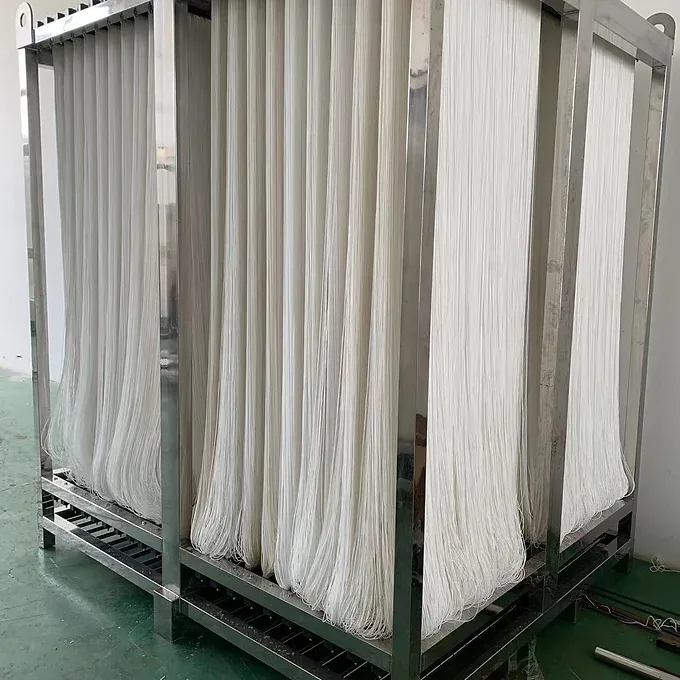
    MBR — Membrane Bioreactor — isn’t a new membrane type but a system that submerges UF membranes directly in the biological treatment tank instead of housing them separately. The microorganisms digest the organics while the UF membrane draws off only clear water — producing very clean water without a separate sedimentation tank.

    Compared with legacy Activated Sludge systems, MBR uses 40% less space, produces water clean enough for recycling, and handles higher wastewater loads without building bigger tanks. Some Hydrosys customers replace expired Japanese-brand MBR membranes with ours because we custom-build sizes and fittings to slot straight into the existing system — at a better price.

    Caution: Every membrane has a service life — typically 3-7 years depending on wastewater quality and maintenance. Regular chemical cleaning extends life significantly; letting a membrane foul too heavily before cleaning makes it degrade much faster than normal.

    Which Membrane Suits Your Factory?

    Choosing the right membrane comes down to 3 main factors: the contaminants in your wastewater, the required output quality, and budget — plus long-term value. Getting this right avoids costly design errors and improves treatment performance.

    In general, food factories with high suspended solids and BOD suit MBR with UF membranes, since it combines biological treatment and filtration in one step. For high-quality reuse, RO is usually added downstream. For hardness reduction — boilers or cooling — choose NF or RO based on the target water quality and budget.

    Summary

    Membranes are pressure-driven, chemical-free water filtration technology, spanning MF, UF, NF, and RO — each with different filtration capability by pore size and target water quality.

    Choose based on your wastewater characteristics, target water quality, and budget for the best treatment performance. Most factories use MBR (UF) for primary duty, followed by RO for reuse systems, or NF/RO by hardness and process-water requirements.

    FAQ: Common Membrane Questions

    u003cstrongu003eQ1:u003c/strongu003e How do RO and UF membranes differ in practice?

    A: RO filters far finer — including salts and ions — but costs more energy and produces reject water (brine). UF handles bacteria and solids well but lets salts through. Choose based on what actually needs to be removed.

    u003cstrongu003eQ2:u003c/strongu003e How do you maintain a membrane?

    A: Regular chemical cleaning (CIP – Clean-in-Place) every 1-4 weeks depending on water quality, plus routine TMP (Trans-Membrane Pressure) monitoring to catch fouling early.

    u003cstrongu003eQ3:u003c/strongu003e How long does a membrane last?

    A: Around 3-7 years, depending on wastewater quality and care. Membranes fed dirty water without good pre-treatment degrade much faster.

    u003cstrongu003eQ4:u003c/strongu003e Can you replace old membranes from another brand?

    A: Yes — Hydrosys manufactures replacement membranes with matching dimensions and fittings, so you don’t have to rebuild the whole system. That saves substantially versus buying the original brand.

    u003cstrongu003eQ5:u003c/strongu003e Which factories suit MBR best?

    A: Factories with limited space, needing high-quality recycled water, or wanting less sludge. MBR is a great fit for food factories, hotels, and plants in areas with strict effluent standards.

    If you need a membrane system — or replacement membranes — Hydrosys provides end-to-end consultation, with design, manufacturing in Thailand, and imports, plus custom fitting to your existing system.

    Learn more at Membrane Wastewater Filtration Systems

    ☎️ Tel: 02-889-6180, 089-479-8156

    🟢 Line: @hydrosys

    📬 Email: info@hydrosys.co.th, hydrosys@hydrosys.co.th

    📘 Facebook:Hydrosys